

Let me ask you something. When was the last time you actually reviewed all your business contracts properly? Not just signing them and moving on, but really going back and understanding what is written inside. Most businesses do not do this, and honestly, it is not because they are careless. It usually comes down to one simple reason. There are just too many contracts and not enough time to manage them properly.
Think about how businesses operate today. Every vendor agreement, employee contract, partnership deal, and client agreement carries some level of responsibility. At first, things feel manageable. But as the business grows, contracts start piling up quietly in the background. Then one day, something small gets missed. Maybe a renewal deadline passes, or a clause gets overlooked. Suddenly, a simple agreement turns into a problem that could have been avoided.
Table of Contents
This is exactly why contract management services are becoming essential. They are not just about storing documents or keeping things organized. They help businesses stay in control, reduce risks, and avoid unnecessary stress. In this guide, we will break everything down in a way that feels practical and easy to follow. No complicated legal language. Just real insights that actually help.
What Are Contract Management Services?
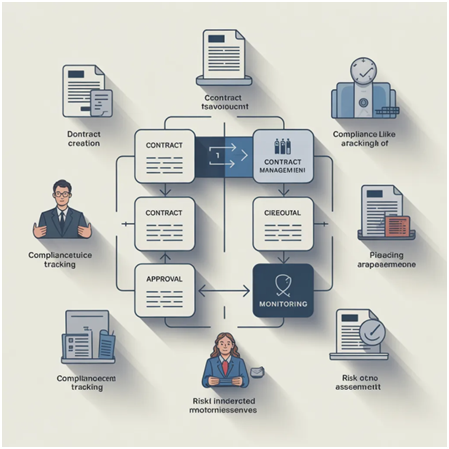
At a basic level, contract management services involve managing the entire lifecycle of a contract. This includes creating agreements, reviewing them, storing them securely, tracking important dates, and eventually renewing or closing them. But in reality, it goes much deeper than that.
Every contract represents a commitment between two parties. When those commitments are not tracked properly, things begin to fall apart. Deadlines get missed, payments get delayed, and responsibilities become unclear. Over time, this creates confusion and increases the chances of disputes. Contract management services bring structure into this process. They make sure that every agreement is clear, accessible, and actively managed instead of being forgotten after signing.
Why Businesses Need Contract Management Services?

- Contracts Grow Faster Than Expected
Most businesses underestimate how quickly contracts accumulate. In the early stages, everything feels under control. There are only a few agreements to handle, and tracking them seems easy. But as operations expand, the number of contracts grows rapidly. Without a proper system in place, it becomes difficult to keep track of what is active, what is expiring, and what needs attention.
- Risks Are Often Hidden
Contracts can look simple on the surface, but the real details are often buried deep within the document. Payment terms, penalties, and obligations are not always obvious at first glance. Missing even a small detail can lead to financial loss or legal complications. This is where contract risk management plays a critical role. It helps businesses identify potential issues before they turn into real problems.
- Time Gets Wasted Easily
If you have ever spent time searching for the latest version of a contract, you already know how frustrating it can be. Teams often end up going back and forth, trying to confirm which document is correct. This slows down decision making and affects productivity. A structured system eliminates this confusion and saves valuable time.
- Compliance Is Becoming More Important
Regulations are becoming stricter across industries. Businesses are expected to follow legal and compliance requirements more carefully than ever before. Without proper systems, staying compliant becomes challenging. Contract management services help ensure that agreements align with current regulations and reduce the risk of penalties.
Key Components of Contract Management Services
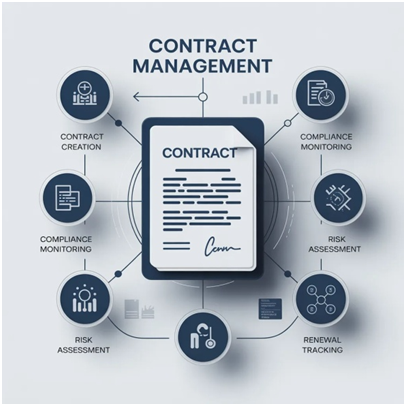
- Contract Creation and Authoring
Everything begins with a well written contract. A clear and structured agreement sets expectations and reduces the chances of misunderstandings later. Many businesses now rely on standard templates to maintain consistency. This approach not only saves time but also ensures that important clauses are not accidentally left out.
- Review and Approval Process
Contracts usually need to be reviewed by multiple teams. Legal, finance, and operations often have their own requirements. Without a clear process, approvals can get delayed, and deals may take longer to finalize. A structured workflow keeps everything organized and ensures that contracts move smoothly from one stage to the next.
- Document Management Services
Keeping contracts organized is essential. Document management services provide a centralized system where all agreements are stored securely. This makes it easier to find, update, and share documents whenever needed. It also reduces the risk of using outdated versions.
- Tracking and Monitoring
Signing a contract is just the beginning. Businesses need to monitor deadlines, deliverables, and obligations throughout the contract lifecycle. Missing a key date can lead to penalties or missed opportunities. Tracking systems ensure that nothing slips through the cracks.
- Renewal and Closure
Many contracts renew automatically if no action is taken. Without proper tracking, businesses may continue agreements they no longer need. On the other hand, they might miss opportunities to renew valuable partnerships. Managing renewals and closures properly helps maintain control over business relationships.
Understanding Contract Risk Management
- What Is Contract Risk Management
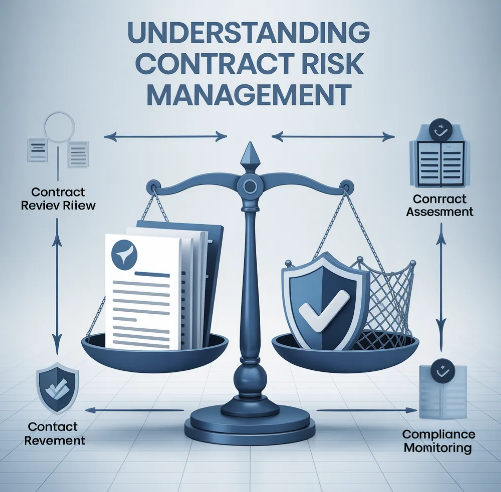
Contract risk management focuses on identifying and reducing potential risks within agreements. It is about being proactive instead of reactive. Rather than dealing with problems after they occur, businesses aim to prevent them from happening in the first place.
- Types of Risks
Financial risks often come from unclear pricing or unexpected costs. Legal risks arise when contracts contain vague or incomplete clauses. Operational risks occur when one party fails to meet its obligations. Each of these risks can impact the business in different ways.
- How Risks Are Identified
Identifying risks requires careful review and attention to detail. Businesses look for unclear language, missing clauses, or terms that seem unbalanced. Even something that appears minor can become significant over time.
- Ways to Reduce Risks
Using standardized contracts helps reduce confusion and inconsistencies. Automation tools can track important details and send reminders for deadlines. Regular reviews ensure that contracts remain accurate and relevant.
Contract Due Diligence Services Explained

- What Is Contract Due Diligence?
Contract due diligence involves analyzing agreements in detail to understand risks and obligations. It is especially important during major business decisions such as mergers, acquisitions, or partnerships.
- Why It Matters
Imagine acquiring a company only to discover hidden liabilities in its contracts later. That situation can change everything. Due diligence helps businesses uncover these risks before making decisions, allowing them to proceed with confidence.
- How It Works
Experts review contracts, identify risks, and map out obligations. This process may take time, but it provides valuable insights that help businesses make informed decisions.
The Role of Document Management Services
- More Than Just Storage
Document management services go beyond storing files. They improve accessibility, organization, and security. When contracts are easy to access, teams can work more efficiently and make faster decisions.
- Why It Matters
Proper document management reduces confusion and improves collaboration. It also ensures that sensitive information is protected through controlled access and secure systems.
Technology Behind Modern Contract Management
- Automation
Automation reduces manual effort and improves accuracy. It helps track deadlines, manage workflows, and send reminders without constant supervision.
- Artificial Intelligence
AI is increasingly being used to analyze contracts and extract key information. It can identify risks and highlight important clauses, making the review process faster and more efficient.
- Cloud Platforms
Cloud based systems allow teams to access contracts from anywhere. This flexibility supports modern work environments and improves collaboration.
Best Practices for Effective Contract Management
- Use Standard Templates
Consistency makes contracts easier to manage and reduces the chances of errors.
- Create Clear Processes
Defined workflows ensure that contracts move smoothly through each stage without delays.
- Review Contracts Regularly
Regular reviews help identify issues early and keep agreements up to date.
Common Challenges Businesses Face

- Lack of Visibility
When contracts are scattered across different systems, it becomes difficult to track them effectively.
- Manual Errors
Human errors can lead to serious problems, especially when dealing with complex agreements.
- Compliance Issues
Keeping up with regulations requires constant attention and proper systems in place.
How Complyn Advisory Services Helps Businesses
Managing contracts internally can feel overwhelming, especially as the business grows. This is where Complyn Advisory Services provides real value. They help businesses handle contract risk management, perform detailed contract due diligence services, and implement efficient document management services. Their approach focuses on simplifying complex processes and improving overall efficiency. Instead of dealing with confusion and uncertainty, businesses gain clarity and control over their contracts.
Real World Use Cases
Consider a growing startup managing multiple vendor agreements. At first, everything seems manageable. But as the number of contracts increases, tracking becomes difficult. Deadlines are missed, and risks go unnoticed. Now imagine the same business using structured contract management services. Contracts are organized, deadlines are tracked, and risks are identified early. The difference is clear and impactful.
Future Trends in Contract Management
Technology will continue to shape how contracts are managed. AI will become more advanced, automation will handle more tasks, and compliance requirements will continue to evolve. Businesses that adapt to these changes early will have a clear advantage.
FAQs
What is a contract management system?
It is a system that helps manage contracts throughout their lifecycle, from creation to completion.
How does contract risk management work
It involves identifying risks in contracts and taking steps to reduce them before they become issues.
What are contract due diligence services?
They involve reviewing contracts in detail to understand risks and obligations.
Why are document management services important?
They help store, organize, and secure contracts efficiently, making them easy to access when needed.
Can small businesses benefit from contract management services?
Yes, even small businesses can prevent costly mistakes and improve efficiency by managing contracts properly.
Conclusion
Contracts may not be the most exciting part of running a business, but they are one of the most important. Ignoring them can lead to risks, delays, and unexpected costs. On the other hand, managing them properly brings clarity, control, and confidence. When businesses invest in contract management services, they are not just organizing documents. They are creating a system that supports growth and reduces uncertainty. And in today’s fast moving business environment, that kind of stability makes a real difference.